
How to Report Maintenance Issues to Your Landlord Effectively
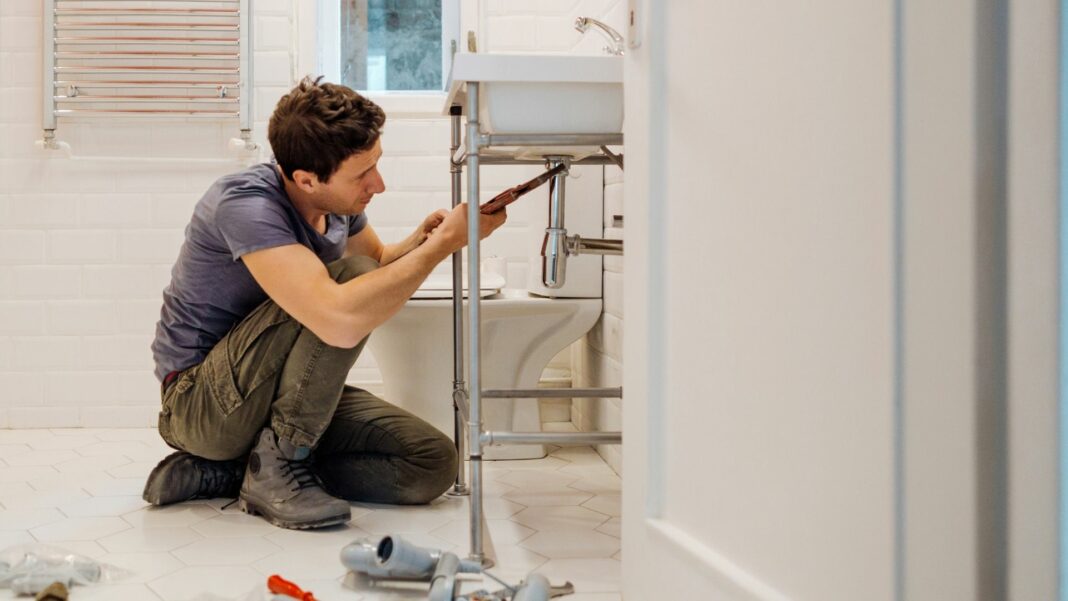
Small problems at home can quite easily turn into a dramatic ordeal. A gentle drip one day, a full waterfall the next. A wobbly handle today, a door that refuses to shut tomorrow.
And honestly, the real problem usually comes not from the issue itself, but from the back-and-forth when no one is quite sure what’s going on.
Once you get the communication right, repairs tend to happen faster and with far less sighing into your tea.
No need for overcharged confrontations. You’ll only clear details in the right place. This guide will show you how to do exactly that.
Make a Solid Record of the Problem
Before reporting anything, gather a clear picture of what’s happening. Take photos from different angles, note exactly where the problem is, and write down when it started and how it’s developing.
Pay extra attention to anything that could cause lasting damage, like leaks, mould, electrical faults, or broken windows. The more detail you capture upfront, the easier it will be to explain the situation and avoid disputes later.
If you’ve raised the issue before, keep those emails or messages handy. Having everything organised shows you’re being reasonable and helps avoid any “he said, she said” later on.
Check What’s in Your Lease First
Don’t pick up the phone or fire off an email just yet. First, take a look at your tenancy agreement. It’s certainly not a thrilling read, but it lays out who handles what and how to get in touch with your landlord.
Your agreement should explain whether to report issues via phone, email, or an online system. It should also mention how long responses usually take.
Take note of any repair clauses, including who’s responsible for what. Knowing this upfront helps you avoid misunderstandings and makes it easier to explain the issue clearly when it pops up.
Choose the Smartest Way to Reach out
Once you know what your lease says, it’s worth thinking about how your landlord actually responds. Some prefer emails, others answer faster over the phone. Picking the method that gets results can save time and prevent frustration.
Keep your message clear and polite: say who you are, what the problem is, and exactly where it’s happening. If you’ve raised the issue before, reference the earlier conversation so everything stays linked and easy to follow.
You can also politely ask for an estimated timeframe for repairs. If you don’t hear back after a few days, send a calm, friendly follow-up. It should be firm and not pushy.
For urgent problems, like burst pipes or electrical faults, call straight away. In short, know exactly when and how to escalate to keep things from getting messy.
Be Clear, Not Wordy
When reporting an issue, less is often more. A subject line like “Leaking Tap in Bathroom – Urgent” grabs attention immediately.
In the body of the email, you should break things into bullet points:
- Location. Tell them exactly where the problem is.
- Issue. Describe the fault briefly.
- When. Say when it started.
You’ve already documented the problem in detail, so now it’s about presenting that information clearly. Reference any previous reports if relevant, and include your preferred contact method in case clarification is needed.
Keep it simple by using plain language, avoiding waffle, and highlighting urgency, especially if it’s disrupting your daily life.
Lastly, make sure to end your message with a polite nudge, asking the landlord to confirm once the correspondence is received. That will help prevent misunderstandings in the future.
Follow up Without Nagging
You’ve sent a clear, concise report. Now comes the hard part: waiting. Give it a couple of days before nudging; otherwise, you risk looking like a soap opera character constantly checking their inbox.
A line that shows you understand they’ve got a lot to deal with, while still asking for a response, helps keep things polite but firm. This could be something like saying you’d welcome an update when they can.
Remember to keep a copy of every message, voicemail, or note you’ve sent. Should you need to take further steps later, having a timeline makes things much easier. Regular, polite follow-ups often lead to quicker results.
Show You’re Willing to Help Move Things Along
While it’s your landlord’s responsibility to handle most repairs, showing that you’re happy to take some initiative can go a long way. For simple fixes, like tightening a loose handle or replacing a lightbulb, mention that you’re happy to sort it yourself.
You can extend this proactive approach to larger tasks that prevent disputes later. For example, if a repair or mess might leave the property needing extra attention, hiring a vacate cleaning service before you leave shows you’re taking responsibility.
It’ll also help keep things friendly and smooth between you and your landlord.
Know Where You Stand Legally
Tenants aren’t just at the mercy of a leaky tap—you have rights. If something is broken and it affects your living conditions, your landlord is legally required to fix it.
Check official sources to understand what needs attention and how quickly it should be addressed. Emergencies, like no heating in the middle of winter, can’t wait.
Unsure what counts as urgent? Housing support organisations and tenant advice lines can clarify things quickly. Knowing your rights puts you in a stronger position when repairs get tricky.
If Things Stall, Step It Up
If polite reminders haven’t done the trick, it’s time to step things up. Start with a formal letter outlining the issue, when you first reported it, and what’s happened since. Include any relevant laws or housing codes, and keep your tone calm, respectful, but assertive.
Make sure to record every attempt you’ve made to resolve the matter—calls, messages, and emails—so you have a complete timeline if it needs to go further.
Still hitting a wall? You’re not alone. Housing advocacy groups and legal services can provide guidance once you’ve exhausted the basics and help you take the next steps.
Conclusion
Maintenance headaches don’t have to take over your life. Stay organised, speak up clearly, and follow up when needed. It keeps things moving and prevents unnecessary delays.
The quicker you act, the faster problems get fixed and the fewer awkward “who left this mess?” conversations you’ll have.
So grab your notes, snap those photos, and start reporting like a pro. It’s the fastest way to get repairs sorted and keep things running smoothly.


