
Downtown Lifestyle Trends Shaping Tomorrow
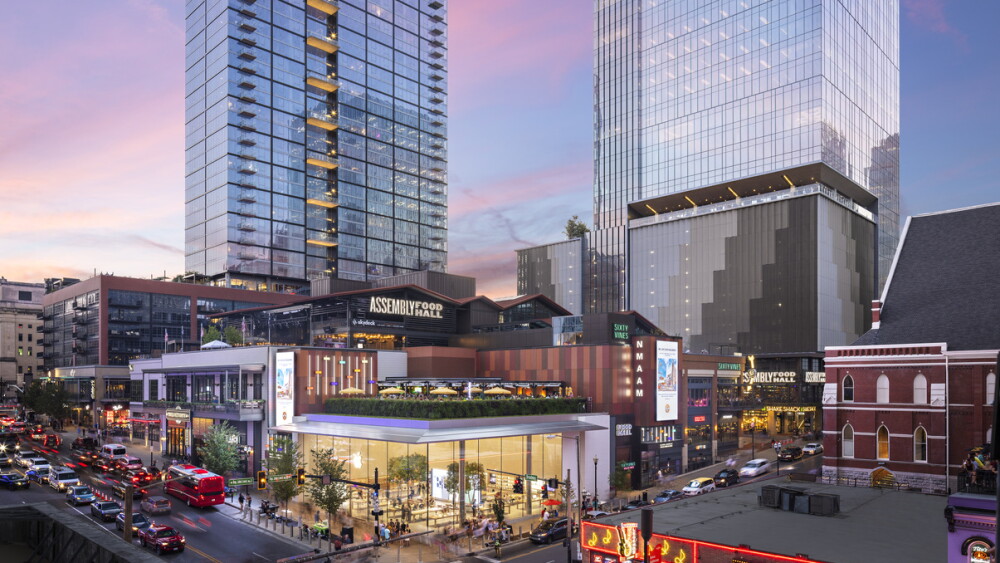
The heartbeat of modern civilization pulses strongest in its downtowns. As vibrant hubs of culture, innovation, and community, these urban centers are evolving at a remarkable pace. The downtown lifestyle changes unfolding today are not merely reactions to current needs; they are precursors to a modern downtown vision that will define how we live, work, and connect in the future. Understanding these transformations offers a fascinating glimpse into the city living tomorrow.
Embracing Sustainability as a Cornerstone
One of the most significant pillars shaping the future urban trends is sustainability. Downtown areas are spearheading green initiatives that balance urban density with environmental responsibility. This goes beyond the typical recycling programs and green spaces.
Architects and planners are embracing biophilic design, integrating natural elements into buildings and public areas to promote wellness and biodiversity. Rooftop gardens, vertical forests, and eco-friendly materials are becoming standard in new developments. These efforts create healthier, more inviting environments that contribute to reducing the urban heat island effect and improve air quality.
Sustainable transportation is also a cornerstone. Cities are expanding pedestrian zones, enhancing bike lanes, and investing in electric public transit, enabling residents to reduce their carbon footprints while enjoying downtown lifestyle changes that prioritize clean mobility.
The Rise of Mixed-Use Communities
Gone are the days when cities strictly zoned residential, commercial, and industrial areas separately. The modern downtown vision champions mixed-use developments where living, working, shopping, and leisure coexist harmoniously within the same neighborhood.
This urban synergy fosters a 24/7 vibrancy, reducing commutes and encouraging local economic growth. Residents enjoy unparalleled convenience as cafes, coworking spaces, gyms, and theaters become part of their everyday walking radius. The result is a more connected community that nurtures social interaction and collaboration.
These developments often incorporate shared amenities such as rooftop lounges, community gardens, and makerspaces, blending private comfort with communal engagement. This fusion of function and social fabric is a defining feature of city living tomorrow.
Technological Integration in Daily Life
Technology will continue to be a driving force behind downtown lifestyle changes. The vision for future urban centers is deeply intertwined with smart city concepts, where digital infrastructure enhances quality of life.
Smart lighting systems that adjust based on pedestrian presence, waste bins that signal when full, and apps that provide real-time information on parking availability or public transit schedules are becoming ubiquitous. These technologies reduce friction in daily activities, making urban living more efficient and pleasant.
Moreover, the proliferation of the Internet of Things (IoT) devices allows residents to interact seamlessly with their surroundings. Smart homes equipped with AI assistants, automated climate control, and security systems will become the norm, empowering people to customize their living environments with ease.
Wellness and Holistic Living
The growing awareness of mental and physical health is reshaping downtown lifestyle changes with a focus on holistic wellness. Urban planners and developers are integrating spaces that nurture body and mind within the city fabric.
Wellness centers, meditation gardens, and outdoor fitness parks provide accessible avenues for stress relief and physical activity. The incorporation of quiet zones within bustling downtown areas allows residents to find moments of tranquility amidst the urban bustle.
Community programs encouraging mindfulness, nutrition, and social connection are becoming increasingly prevalent. This trend reflects a shift from viewing cities as mere economic engines to recognizing them as environments that must support comprehensive well-being.
Cultural and Artistic Renaissance
Cultural vibrancy remains a vital thread in the tapestry of future urban trends. Downtowns are reinventing themselves as epicenters of creativity and artistic expression.
The resurgence of art districts, pop-up galleries, street performances, and creative workshops is fueling a cultural renaissance. These activities enrich urban life and foster inclusivity, inviting residents and visitors to engage with diverse perspectives.
Public art installations and interactive murals are transforming streetscapes into immersive experiences. This cultural dynamism is not only aesthetically enriching but also drives tourism and strengthens community identity, vital ingredients of the modern downtown vision.
Flexibility in Work and Living Spaces
The pandemic accelerated the shift toward flexible work arrangements, and this trend continues to influence city living tomorrow. Downtowns are adapting by reimagining office spaces as versatile environments that accommodate remote, hybrid, and collaborative work styles.
Coworking hubs, innovation labs, and multipurpose venues are integrating into residential neighborhoods, blurring the lines between professional and personal spaces. This flexibility enhances productivity and work-life balance, attracting a new generation of urban dwellers seeking adaptable lifestyles.
Residential units are also evolving, with modular designs that allow inhabitants to customize rooms for home offices, studios, or guest spaces. This adaptability ensures that downtown living remains relevant in a rapidly changing world.
Social Equity and Inclusivity
A profound dimension of future urban trends is the commitment to social equity. The modern downtown vision recognizes that thriving cities must be inclusive cities.
Efforts to create affordable housing, accessible public spaces, and equitable access to services are integral to urban planning. Diverse communities are being empowered through participatory design processes that prioritize the voices of marginalized groups.
This focus on inclusivity fosters a sense of belonging and shared responsibility. As a result, downtowns are evolving into vibrant mosaics of culture, income levels, and lifestyles—truly representative of the broader society.
Connectivity and Mobility Redefined
Advancements in mobility are also central to downtown lifestyle changes. The integration of autonomous vehicles, expanded bike-sharing programs, and improved pedestrian infrastructure redefine how people navigate their cities.
Public transit systems are evolving to be faster, cleaner, and more user-friendly, supported by seamless ticketing and real-time updates. These innovations reduce dependence on private cars, alleviating congestion and pollution.
Enhanced connectivity enables residents to access education, healthcare, and entertainment with unprecedented ease. This connectivity is a hallmark of city living tomorrow, where movement is frictionless and empowering.


