
Why Businesses Thrive in Downtown Districts
In the landscape of commerce, few locations embody opportunity quite like the heart of a city. The vibrant energy, constant movement, and diverse populace all contribute to what makes downtown areas indispensable for thriving enterprises. Exploring why downtown thrives reveals a combination of strategic advantages that fuel urban business growth and position these districts as the undeniable city commerce hub.
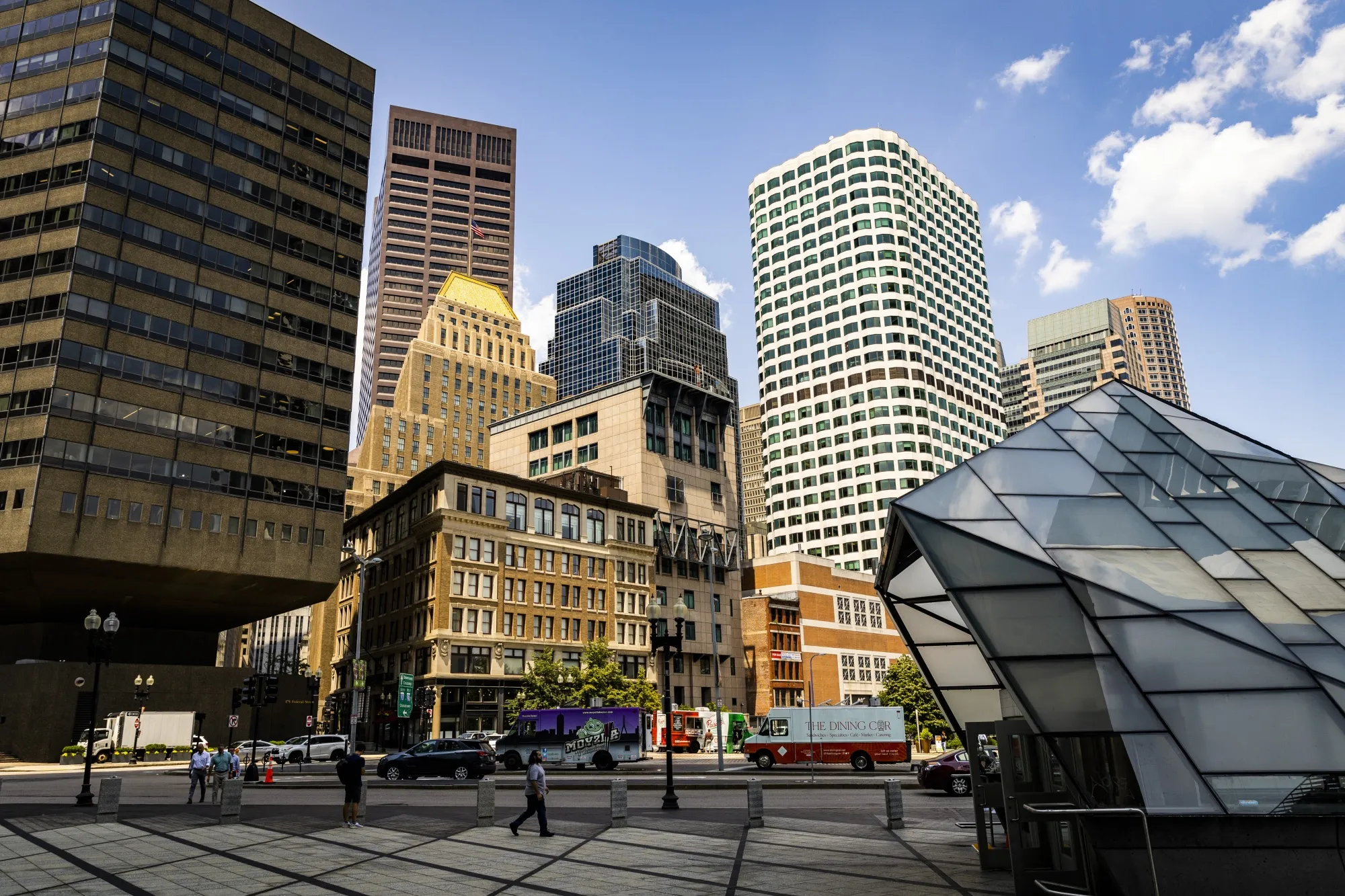
The Magnetic Pull of Accessibility and Visibility
One of the foremost reasons business in downtown areas flourishes is accessibility. Downtown districts act as a nexus where transportation networks converge. Public transit systems, major roads, and pedestrian pathways intersect, making it effortless for customers, employees, and suppliers to reach their destinations.
This accessibility amplifies foot traffic, increasing potential clientele and spontaneous visits. Moreover, storefronts and offices in bustling downtowns enjoy heightened visibility. Being positioned at the epicenter of activity means businesses benefit from constant exposure to a wide demographic, ranging from daily commuters to tourists. This natural advertising effect is a catalyst for urban business growth.
Economic Density and Synergistic Networks
Downtowns boast a dense concentration of economic activity. The close proximity of diverse businesses creates an ecosystem where synergy thrives. Service providers, retailers, restaurants, and entertainment venues cluster together, each benefiting from the other’s presence.
When a customer visits a downtown district, they often engage with multiple businesses in a single trip. This interdependence fosters a collaborative spirit, encouraging partnerships, cross-promotions, and networking opportunities. It’s no surprise that many startups and small enterprises choose business in downtown locations to leverage this vibrant business community.
Cultural Vibrancy and Lifestyle Appeal
The allure of downtown extends beyond pure economics. These areas are cultural epicenters, rich with museums, theaters, galleries, and festivals. The integration of work, leisure, and lifestyle is seamless here, attracting a demographic eager to engage with both commerce and culture.
This vibrant environment cultivates a dynamic clientele that values unique shopping experiences and personalized services. For businesses, this translates into a customer base that is willing to explore new products and services, fueling innovation and diversification. Understanding why downtown thrives means appreciating the interplay between cultural vibrancy and commercial success.
Infrastructure and Technological Advancement
Downtown districts often receive priority when it comes to infrastructure development. Enhanced utilities, high-speed internet access, and modernized transportation options create an environment conducive to business operations. These upgrades reduce friction in daily activities, improving efficiency and customer satisfaction.
Additionally, many cities implement smart city technologies in their downtown areas. These innovations include digital kiosks, smart lighting, and traffic management systems that enhance the overall urban experience. Businesses that capitalize on these advancements position themselves at the forefront of the evolving market, accelerating urban business growth.
Diverse Workforce and Talent Pools
The concentration of institutions such as universities, technical schools, and corporate headquarters near downtown districts generates a rich talent pool. Employers find it easier to recruit skilled professionals who prefer the convenience and vibrancy of urban living.
Access to diverse talent fuels creativity and competitiveness, essential ingredients for growth. Moreover, younger generations are increasingly drawn to urban lifestyles, valuing walkability, cultural amenities, and networking opportunities. This demographic shift reinforces the magnetism of business in downtown locations.
Enhanced Financial and Professional Services
Downtown districts frequently host financial institutions, legal firms, marketing agencies, and consulting businesses. Proximity to these professional services facilitates smoother transactions, quicker problem-solving, and stronger business relationships.
Access to financial advisors, venture capitalists, and legal experts directly supports enterprise scalability and resilience. This concentration of services creates a robust backbone for commerce, helping businesses navigate challenges and seize opportunities. The presence of these support structures is a key element in why downtown thrives.
Government and Policy Incentives
Municipal governments often recognize the importance of downtown districts as economic engines and provide incentives to encourage business development. Tax breaks, grants, and zoning advantages are commonly offered to attract startups and established companies alike.
These policies create a favorable environment for innovation and expansion. When businesses take root in downtown areas, they contribute to job creation, urban renewal, and increased tax revenues. This symbiotic relationship underscores the role of public policy in stimulating urban business growth.
The Power of Branding and Prestige
Operating from a downtown address carries prestige. It signals stability, success, and commitment to the community. For many companies, this image enhances brand perception and customer trust.
Clients and partners often associate downtown locations with professionalism and accessibility. This reputational advantage can open doors to new opportunities, partnerships, and markets. In essence, the location itself becomes a valuable asset, further explaining why downtown thrives.
Challenges and Adaptations
Of course, thriving in downtown districts is not without challenges. Higher rents, congestion, and competition demand that businesses be agile and innovative. However, the benefits often outweigh the hurdles.
Successful enterprises invest in creative marketing, unique customer experiences, and technology to differentiate themselves. They embrace the vibrant culture and capitalize on the dense networks available. These adaptive strategies are integral to sustainable urban business growth.


