
The Future of Work in Downtown Spaces
Downtown areas have long been the beating heart of professional life, serving as centers for commerce, governance, and creativity. Yet, the landscape of work is shifting rapidly. The Future of downtown work is no longer defined solely by towering office blocks and traditional nine-to-five schedules. Instead, it reflects a broader transformation driven by technology, sustainability, and changing expectations of employees and employers alike.
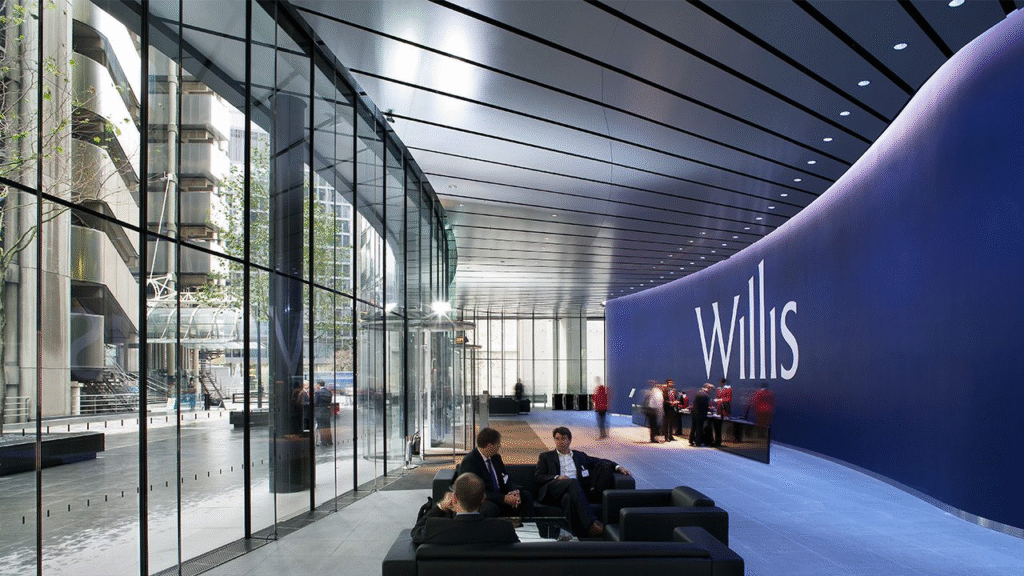
Shifting From Tradition to Flexibility
The rigid office model of the past is giving way to dynamic arrangements that prioritize adaptability. Remote work remains an influential factor, yet many professionals still gravitate toward the energy and connection found in central business districts. This balance is shaping the Urban office evolution, where hybrid systems allow for a fluid mix of in-person collaboration and virtual engagement.
Companies are redesigning their spaces to be less about rows of desks and more about interaction zones. Lounges, meeting pods, and co-working areas replace outdated cubicle farms. This redesign acknowledges that offices today are valued less for routine tasks and more for fostering creativity, mentoring, and relationship building.
The Rise of Co-Working and Shared Hubs
Co-working spaces have become a hallmark of City workplace trends. These hubs cater not only to freelancers and start-ups but also to established firms seeking flexibility. By offering scalable solutions, co-working providers allow organizations to expand or contract their physical footprint in response to business needs.
Beyond efficiency, shared spaces cultivate community. Networking events, collaborative projects, and casual encounters over coffee strengthen professional ecosystems. For many, these hubs exemplify Modern workspaces downtown, where work and social exchange seamlessly intersect.
Technology as a Central Driver
Digital infrastructure is redefining how downtown spaces function. High-speed connectivity, cloud platforms, and artificial intelligence support the flexible workflows of today’s professionals. Smart building systems enhance security, manage energy use, and even optimize space utilization through data-driven insights.
These innovations represent more than convenience. They illustrate the Future of downtown work, where physical spaces are enhanced by digital layers that adapt to user needs. For businesses, this convergence ensures productivity while reducing costs. For workers, it creates environments that are both efficient and inspiring.
Sustainability and Green Design
Environmental responsibility has become inseparable from modern urban planning. Employers and developers alike recognize the importance of embedding sustainability into workspaces. From energy-efficient lighting to recycled construction materials, green principles are shaping the Urban office evolution.
Green rooftops, biophilic design elements, and natural ventilation systems create healthier environments while reducing ecological impact. These features not only benefit the planet but also improve employee well-being, a critical factor influencing retention and productivity. The expectation is clear: Modern workspaces downtown must align with the values of an increasingly environmentally conscious workforce.
The Role of Location and Accessibility
While remote work offers flexibility, many professionals still value the centrality of downtown areas. Access to transit networks, dining, cultural venues, and public services reinforces the attractiveness of these spaces. The clustering effect, where multiple industries and organizations occupy close proximity, fuels collaboration and innovation.
This interplay highlights why City workplace trends continue to favor downtown districts despite shifts toward decentralization. Being in the heart of a city provides a symbolic and practical advantage, signaling relevance and offering opportunities for spontaneous collaboration that virtual environments cannot replicate.
Wellness and Human-Centric Design
Workspaces are increasingly being evaluated not just for functionality but for their ability to support human well-being. Ergonomic furniture, abundant natural light, and dedicated wellness areas are becoming integral features. Meditation rooms, fitness studios, and outdoor terraces now accompany traditional meeting spaces, demonstrating how the Future of downtown work is intertwined with lifestyle considerations.
Employers understand that healthier, happier employees are more productive and engaged. By prioritizing wellness, downtown offices evolve from purely transactional environments into spaces where people can thrive.
Diversity of Use in Downtown Buildings
Another defining aspect of the Urban office evolution is the blending of functions within buildings. Mixed-use structures that combine offices, residences, retail, and hospitality reflect broader City workplace trends. These multipurpose environments reduce commute times and create ecosystems where work, living, and leisure coexist.
Such integration is not only efficient but also resilient. Downtown spaces that serve multiple purposes are better equipped to adapt during economic fluctuations, ensuring vibrancy and relevance for decades to come.
Looking Ahead
The trajectory of downtown workspaces points toward integration, adaptability, and community. The Future of downtown work is about more than real estate, it is about creating ecosystems that foster innovation, sustainability, and inclusivity. By embracing digital technology, embedding wellness, and aligning with ecological priorities, downtown districts will remain indispensable anchors of urban life.
As City workplace trends continue to shift, one constant remains: the magnetic pull of downtown areas as places of opportunity and connection. Through ongoing Urban office evolution, these districts are being reimagined for a new era. The result is a generation of Modern workspaces downtown that will not only accommodate change but actively drive the future of how and where we work.


