
The Future of Smart Home Improvement Design
The landscape of residential living is evolving at a rapid pace. Homes are no longer static structures; they are dynamic environments that adapt, respond, and even anticipate the needs of their occupants. This shift is driven by a blend of technology, sustainability, and human-centered design. As these elements converge, the vision of future home design takes shape, promising dwellings that are efficient, intelligent, and deeply attuned to the people who inhabit them.
Integration of Smart Technologies
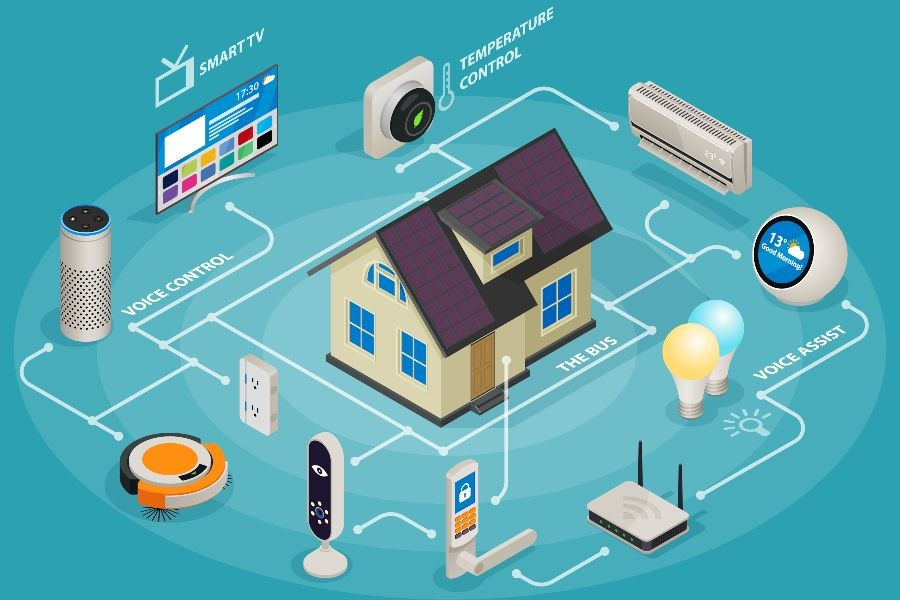
At the core of smart living concepts lies seamless connectivity. Voice-controlled assistants, automated lighting systems, and intelligent thermostats have already entered the mainstream. The next wave, however, aims for deeper integration. Imagine appliances that communicate with one another, energy systems that optimize consumption without human input, and security networks that combine biometric recognition with predictive analytics.
These advancements represent more than convenience. They redefine safety, comfort, and efficiency, transforming houses into responsive ecosystems. The sophistication of these systems will mark a turning point in future home design, where technology becomes an invisible yet indispensable partner in daily life.
Sustainability as a Standard
Environmental awareness is no longer optional. Homes of tomorrow will prioritize renewable energy, sustainable materials, and designs that reduce carbon footprints. Solar panels, green roofs, and advanced insulation techniques are just the beginning. Rainwater harvesting and greywater recycling systems will be embedded into residential architecture, reflecting the ecological mindset of the age.
These initiatives align with modern innovation ideas that balance luxury with responsibility. Future owners will expect homes to be self-sufficient, minimizing reliance on external resources while maximizing comfort. In many cases, these innovations will not only conserve energy but generate surplus power, feeding back into local grids.
Personalized Living Spaces
The next frontier of customization focuses on adaptability. Future interiors will be designed to morph based on activity and need. Movable walls, modular furniture, and flexible layouts will allow spaces to expand or contract instantly.
Coupled with sensors that detect occupancy and behavior, these designs will create environments tailored to each moment. This form of personalization embodies smart living concepts by ensuring every square foot of a home is purposeful and dynamic.
Health and Wellness in Design
Wellness will take center stage as part of improvement trends ahead. Smart air filtration systems, circadian lighting that adjusts throughout the day, and acoustic optimization will become standard inclusions. Homes will be sanctuaries designed not only for shelter but also for physical and mental rejuvenation.
Biophilic design, which incorporates natural elements like living walls and daylight maximization, will strengthen the bond between residents and their environment. These strategies elevate the notion of home from shelter to sanctuary, where the built environment actively nurtures well-being.
Data-Driven Efficiency
Artificial intelligence will shape much of the decision-making within homes. Predictive algorithms will analyze patterns, learning preferences to anticipate needs before they are expressed. From regulating climate control to stocking refrigerators with essentials via automated deliveries, homes will function with near-autonomous efficiency.
This forward-looking approach exemplifies modern innovation ideas, where efficiency is not an afterthought but a central design principle. The fusion of AI and daily living ensures resource optimization while reducing unnecessary costs.
The Role of Aesthetics in Smart Homes
Technology alone cannot define the home of the future. Aesthetic considerations remain critical. Minimalist designs that hide complex systems behind clean lines and harmonious layouts will dominate. Materials will be both elegant and functional, integrating recycled components without compromising beauty.
Future home design will prioritize harmony between visible comfort and invisible technology. The goal is to create environments that feel warm and human, even as they hum with advanced functionality behind the scenes.
Anticipating the Next Wave
The momentum of change suggests that improvement trends ahead will be both incremental and transformative. Each innovation builds upon previous achievements, while breakthroughs redefine the boundaries of possibility. For homeowners, the challenge lies in balancing cutting-edge advancements with timeless principles of comfort, safety, and individuality.
As these shifts unfold, it is clear that the home of tomorrow will not be measured solely by square footage or architectural style. Instead, it will be defined by adaptability, sustainability, and intelligence.
The trajectory of residential living points toward environments that are both technologically advanced and deeply human. The synergy of future home design, the practicality of smart living concepts, and the promise of modern innovation ideas highlight a path forward that is rich with possibility. By embracing improvement trends ahead, homeowners and designers alike can shape spaces that transcend shelter, offering inspiration, efficiency, and enduring value.


