
Modern Architecture in Buildings and Land
Cities are transforming at an extraordinary pace, fueled by creativity, innovation, and a renewed focus on sustainability. The rise of modern building design has not only redefined skylines but also reshaped how people interact with urban spaces. Today’s architecture isn’t just about aesthetics; it’s about purpose, experience, and functionality. As urban centers become denser and demands for smarter infrastructure grow louder, modern architecture rises to meet those challenges with bold and elegant solutions.
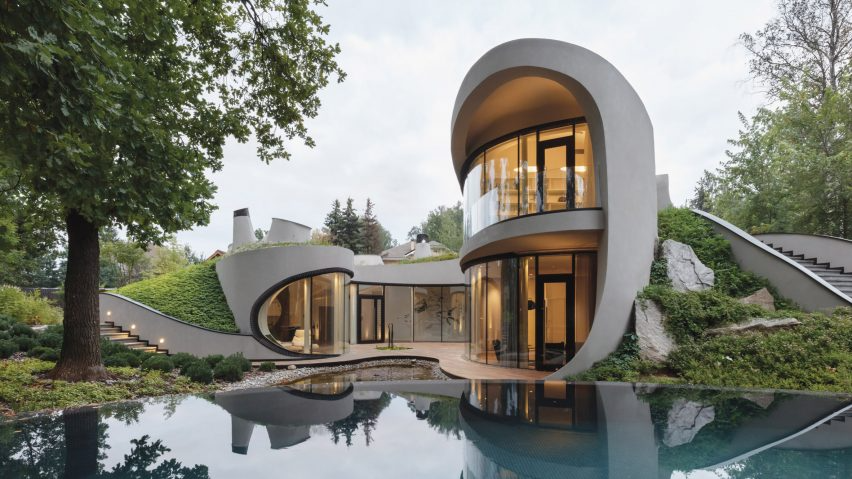
The Essence of Modern Design
At its core, modern building design emphasizes simplicity, clean lines, and an openness that feels both practical and inspiring. It rejects unnecessary ornamentation in favor of materials and forms that speak for themselves. Steel, glass, and concrete dominate the palette, often paired with natural textures like timber or stone to balance warmth with modernity.
This design philosophy also prioritizes spatial efficiency. Open floor plans, expansive windows, and multi-functional areas allow for adaptable environments, whether in a high-rise office, residential tower, or community center. Light, air, and space take precedence, creating uplifting atmospheres even within tight urban footprints.
Urban Style: Where Function Meets Art
One of the most fascinating aspects of urban architecture style is its responsiveness to context. In the city, every building must navigate the tension between standing out and fitting in. Architects are tasked with creating structures that respect historical surroundings while contributing something fresh to the streetscape.
Innovative façades, green roofs, and vertical gardens have become signatures of urban sophistication. These elements blend environmental awareness with visual intrigue. From the High Line developments in New York to the vertical forests of Milan, architecture is increasingly aligned with sustainability and beauty.
The urban architecture style is about more than buildings. It’s about place-making. Designing spaces where people want to gather, walk, live, and linger. It incorporates transit access, public plazas, art installations, and communal green areas into the built environment, making cities more humane and habitable.
Trends Shaping Contemporary Property
The world of contemporary property trends is vibrant and forward-thinking. Real estate development today hinges on the ability to anticipate what people want not just now, but years from now. Flexibility, energy efficiency, and wellness integration are no longer fringe concepts. They’re core demands.
Among the most influential trends:
- Sustainable Construction: Buildings are being designed to minimize their environmental impact. Solar panels, rainwater harvesting, recycled materials, and passive heating and cooling systems are common features.
- Smart Technology Integration: From voice-activated lights to AI-managed climate systems, intelligent design is enhancing convenience and reducing energy consumption.
- Live-Work Hybrid Spaces: As remote work continues to reshape professional life, properties are being developed with integrated workspaces, co-working areas, and private offices.
- Wellness-Oriented Design: Natural light, indoor plants, fitness zones, and clean air circulation systems are being incorporated into residential and commercial designs alike.
- Modular Construction: Prefabricated elements and modular systems are revolutionizing how buildings go up—faster, cheaper, and often with higher quality control.
These contemporary property trends are not fleeting fads. They reflect a broader shift in priorities: toward health, sustainability, and adaptability in how we build and live.
Construction Ideas That Shape the Future
Visionary city construction ideas are laying the foundation for more resilient, inclusive, and dynamic urban environments. From mixed-use megastructures to micro-apartment communities, developers and architects are redefining how cities can grow.
One powerful idea is the concept of “15-minute cities.” This urban planning model designs neighborhoods so that everything essential—workplaces, shops, schools, parks—is within a 15-minute walk or bike ride. It reduces traffic congestion, supports local economies, and promotes community bonding.
Another compelling concept is adaptive reuse. Instead of demolishing old structures, architects are breathing new life into them. Warehouses become lofts. Churches become libraries. Old factories become tech campuses. This approach not only preserves cultural heritage but reduces the carbon footprint of new development.
Skybridges, rooftop farms, underground parks, and kinetic buildings are no longer confined to sci-fi movies. These are real city construction ideas being explored across the globe, showing what’s possible when innovation meets imagination.
Building Identity and Culture
Modern architecture does more than meet physical needs. It tells stories. It captures the spirit of a city. Whether it’s a minimalist glass tower or a mosaic-covered community center, architecture expresses identity.
Cities around the world are leaning into this. Tokyo mixes futuristic geometry with traditional wooden forms. Copenhagen celebrates hygge with cozy public spaces. Nairobi is experimenting with earth architecture that connects people to land and tradition.
As new buildings rise, they shape how people feel, move, and belong. The interplay of design, land, and human behavior creates emotional resonance that endures long after construction ends.
Final Reflections
Modern architecture has become a catalyst for change—architectural forms now serve multiple purposes beyond shelter and status. They foster connection, encourage sustainability, and support mental and physical wellbeing. With the fusion of modern building design, a refined urban architecture style, bold contemporary property trends, and transformative city construction ideas, cities are evolving into vibrant, intelligent ecosystems.
The future of architecture lies not just in taller structures but in smarter ones. Not just in beauty, but in balance. Through innovation, collaboration, and a human-centered approach, the buildings and land of tomorrow’s cities will continue to enrich the way we live, work, and dream.


