
Downtown Commutes Made Easy with Smart Tech
Navigating the bustling heart of the city can often feel overwhelming. The congestion, unpredictable delays, and myriad transport options can turn even a short trip into a stressful ordeal. Yet, thanks to advancements in urban travel tech, the daily grind of getting around downtown is becoming increasingly seamless. With the integration of intelligent systems and innovative solutions, the smart commute downtown is transforming how city dwellers approach their journeys.
Embracing the Power of Urban Travel Tech
Cities today are embracing technology to tackle traditional transportation challenges. From real-time traffic updates to integrated payment systems, urban travel tech brings precision and convenience to everyday commuting. The fusion of mobile apps, GPS tracking, and data analytics means that commuters can make informed decisions on the go.
One striking example is the use of dynamic routing algorithms that analyze traffic patterns and public transit schedules simultaneously. These systems recalibrate routes in real-time to avoid bottlenecks and minimize travel time. For downtown travelers, this means fewer frustrating waits and a smoother transition between different modes of transportation.
The Rise of City Transport Solutions
Gone are the days when your only options were driving or waiting for a bus. Modern city transport solutions encompass a broad spectrum of choices tailored to fit various needs and lifestyles. Electric scooters, bike-share programs, ride-hailing services, and on-demand shuttles are becoming integral components of urban mobility.
These options are not isolated; they are often interconnected through unified platforms, allowing commuters to plan multi-modal trips effortlessly. Imagine starting your journey with a quick scooter ride to a transit hub, hopping on a bus, and finishing with a short walk—all coordinated through one intuitive app.
This level of integration is a cornerstone of a smart commute downtown, offering flexibility and reducing reliance on personal vehicles, which in turn eases traffic congestion and reduces environmental impact.
How Smart Technology Enhances Efficiency
Efficiency is the hallmark of any successful commute, and smart technologies excel at enhancing it. Real-time data collection from sensors embedded in infrastructure, vehicles, and mobile devices generates a wealth of information. Traffic lights adapt dynamically to traffic flow, ride-sharing algorithms match passengers efficiently, and parking apps guide drivers to available spots in real-time.
Moreover, the rise of artificial intelligence and machine learning amplifies these capabilities. Predictive analytics forecast peak travel times and potential disruptions, enabling proactive adjustments to schedules and routes.
These advancements collectively contribute to a commute that is not only faster but also less stressful—a crucial aspect of urban living where time is precious.
Practical Modern Commuting Tips with Smart Tech
To make the most of these innovations, adopting modern commuting tips is essential. First, leverage technology by downloading apps that aggregate all your transport options in one place. Apps like transit planners and real-time trackers provide up-to-the-minute information on delays, arrival times, and route changes.
Secondly, embrace multimodal travel. Combining different transport types often results in the most efficient routes. For instance, pairing cycling with public transit can drastically cut down commute times and provide health benefits.
Third, consider flexible commuting hours where possible. Smart tech often highlights off-peak routes and schedules that can reduce your travel time. By planning trips outside rush hours, you can avoid the densest crowds and enjoy a more pleasant experience.
Finally, stay informed about ongoing infrastructure projects and new transport services launched in your city. Many urban areas now notify commuters via apps or social media when new bike lanes, transit lines, or ride-share zones become available.
Enhancing Safety and Convenience
Another crucial aspect of smart commute downtown is safety. Modern technologies have introduced features like emergency alerts integrated into travel apps, GPS tracking for ride-shares, and improved lighting connected to smart grids in public areas.
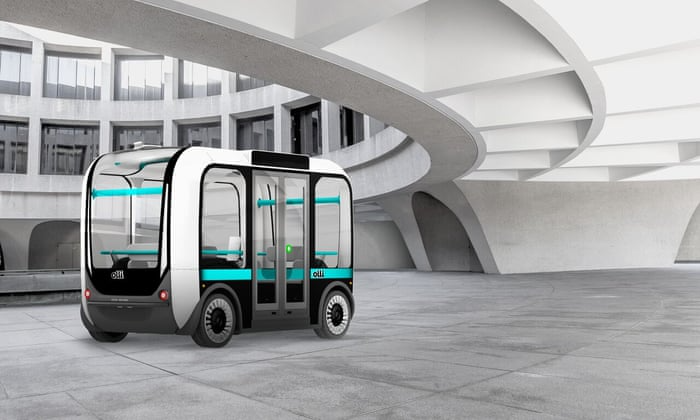
Contactless payment methods reduce physical interaction, making transit more hygienic and convenient. Furthermore, advances in autonomous vehicle testing promise a future where self-driving shuttles could augment public transport, providing reliable and safe last-mile connectivity.
Convenience is also amplified through personalized experiences. Apps remember your preferred routes, notify you about disruptions, and even suggest alternative paths based on your past behaviors.
Environmental Benefits of Smart Commuting
Beyond personal convenience, smart commuting contributes significantly to environmental sustainability. By optimizing routes, promoting public transit use, and supporting micro-mobility options like bikes and scooters, urban travel tech helps reduce carbon footprints.
Less idling in traffic means lower emissions. Additionally, shared transport reduces the number of vehicles on the road, curbing pollution and noise. Many cities are also incorporating electric vehicle infrastructure, further supporting green initiatives.
Adopting these city transport solutions aligns with broader goals of creating healthier, more livable urban environments.
The Future of Downtown Commutes
Looking forward, the future of downtown commuting is undeniably intertwined with technological innovation. Smart infrastructure, such as connected traffic signals and AI-powered traffic management centers, will make urban mobility more responsive and adaptable.
Wearable technology and augmented reality may soon guide pedestrians through the most efficient and safest routes. Mobility-as-a-Service (MaaS) platforms promise to unify transportation, payments, and scheduling, creating a frictionless travel experience.
As these developments unfold, the mantra of a smart commute downtown will evolve from being a convenience to a necessity for anyone navigating urban landscapes.


