
Downtown Parks Bringing Nature to the City
In the hustle and bustle of city life, finding moments of tranquility can feel like a rare luxury. Yet, nestled within the concrete jungles are downtown urban parks—vibrant sanctuaries offering a refreshing breath of nature in the heart of the city. These spaces are more than just patches of greenery; they are vital hubs that connect city dwellers with the natural world, fostering wellbeing, community, and environmental stewardship.
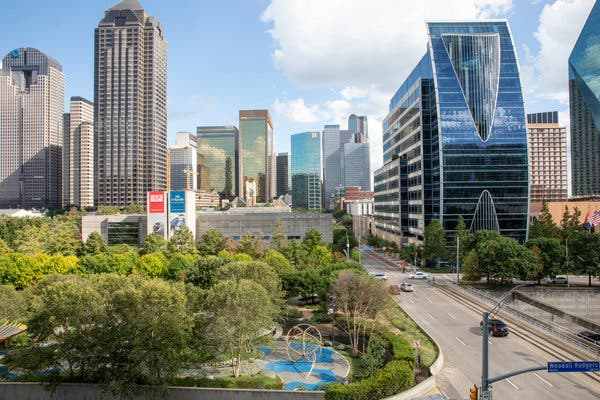
The Vital Role of Green City Spaces
Modern cities are increasingly recognizing the necessity of integrating green city spaces into urban planning. These parks serve as essential lungs for metropolitan areas, filtering air pollution, mitigating urban heat, and providing habitats for urban wildlife. They also offer much-needed respite for residents and visitors who seek a break from asphalt and steel.
Beyond environmental benefits, these parks create an oasis for social interaction, physical activity, and cultural events. In essence, they are where the vibrancy of city life meets the serenity of nature, creating dynamic places for rejuvenation and connection.
Nature in Downtown: More Than Just a View
The presence of nature in downtown areas elevates the quality of urban living in profound ways. Trees, flowering plants, and water features not only beautify the surroundings but also contribute to mental and physical health. Research consistently shows that exposure to natural environments reduces stress, boosts mood, and enhances cognitive function.
Downtown parks often feature meticulously designed landscapes that incorporate native flora, encouraging biodiversity and ecological balance. These spaces become classrooms for urban ecology, where visitors can learn about plant species, pollinators, and sustainable gardening practices.
Some parks also include community gardens, inviting residents to engage hands-on with the earth. This interaction with nature within the city’s core fosters a deeper appreciation for environmental stewardship and encourages sustainable lifestyles.
Urban Outdoor Retreats: A Sanctuary for All
The concept of urban outdoor retreats reflects the transformation of downtown parks into multifunctional spaces that cater to a wide range of activities and demographics. Whether you are seeking a peaceful spot for meditation, a playground for children, or a venue for community gatherings, these parks adapt to diverse needs.
Many downtown urban parks are equipped with walking trails, fitness stations, and picnic areas that encourage an active lifestyle. Early morning joggers, lunchtime yoga enthusiasts, and families enjoying weekend outings all find a place to thrive.
Cultural programming is often integrated into these green spaces, turning them into vibrant community centers. Concerts, art installations, farmers’ markets, and outdoor movie screenings animate the parks throughout the year, making them integral to the city’s social fabric.
Innovative Design Enhancing Urban Parks
The design of downtown parks today is both art and science. Landscape architects employ innovative approaches that maximize usability while preserving natural aesthetics. Rain gardens, bioswales, and permeable pavements are some examples of sustainable features that manage stormwater runoff and reduce flooding risks.
These parks are often designed to be accessible and inclusive, with pathways suitable for people of all abilities and ample seating for rest. Lighting and safety measures are thoughtfully incorporated to extend usability into the evening hours, ensuring the parks remain welcoming environments at all times.
Benefits Beyond the Boundaries
The impact of downtown urban parks extends far beyond their physical footprints. They contribute to property value appreciation in surrounding neighborhoods, attract tourism, and encourage local businesses to flourish by increasing foot traffic. Healthy, attractive parks enhance the city’s overall image and desirability.
Moreover, these green spaces play a crucial role in community resilience. They serve as gathering points during emergencies, provide cooling relief during heatwaves, and foster social cohesion by bringing diverse groups together in shared spaces.
Connecting People with the Natural World
Amid the concrete and noise, downtown parks offer a vital reconnection with the natural world. Urban dwellers who might otherwise feel detached from nature find a welcome gateway to experience seasonal changes, bird song, and the simple joy of open air.
These parks encourage mindful interaction with the environment. The rustle of leaves, the scent of flowers, and the gentle flow of water create sensory experiences that ground visitors in the present moment. Such encounters nurture emotional wellbeing and a sense of belonging in an otherwise fast-paced urban environment.
Looking Ahead: The Future of Downtown Parks
As cities continue to grow, the importance of green city spaces will only intensify. Urban planners and communities are increasingly advocating for the expansion and enhancement of downtown parks to meet the needs of evolving populations.
There is a growing trend towards creating interconnected networks of parks and green corridors that allow wildlife to thrive and people to move seamlessly through nature-rich environments. This holistic vision promotes healthier, more sustainable cities that balance development with ecological integrity.


